The pest control industry is evolving rapidly as technology advances and sustainability becomes a central focus for property owners, businesses, and communities. Traditional methods that relied heavily on reactive measures are giving way to smarter, more efficient solutions designed to prevent infestations while minimizing environmental impact. The future of pest control lies at the intersection of innovation and responsibility, where technology and sustainable practices work together to deliver long-term protection.
As expectations shift toward safer and more eco-conscious solutions, pest control strategies are becoming more proactive, data-driven, and adaptable. These changes are reshaping how pests are managed and how environments are protected, both now and in the years ahead. Find out more at https://www.benspest.biz/.
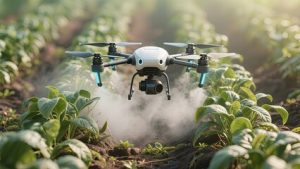
Why Pest Control Is Entering a New Era
Modern living environments are more complex than ever. Urban expansion, changing climates, and evolving building designs all influence pest behavior. At the same time, awareness of environmental health and safety has grown, prompting demand for pest control methods that are effective without being disruptive.
The future of pest control reflects these changes. Instead of focusing solely on eliminating pests after they appear, the industry is prioritizing prevention, monitoring, and sustainability. This shift delivers better outcomes for both people and the environment.
The Role of Technology in Modern Pest Management
Technology is transforming pest control from a reactive service into a predictive science. Advanced tools and systems now allow for earlier detection, more precise interventions, and improved long-term planning.
Digital monitoring systems, data analysis, and automated alerts help identify pest activity before it becomes visible. These innovations enable more targeted responses, reducing unnecessary interventions and supporting sustainable practices.
Smart Monitoring and Early Detection
One of the most significant advancements in pest control technology is smart monitoring. Sensors and tracking tools can detect changes in activity, movement, or environmental conditions that indicate pest presence.
Early detection is critical for effective pest management. By identifying problems at the earliest stages, control efforts can be implemented when pests are most vulnerable, preventing infestations from spreading.
Data-Driven Pest Control Strategies
Data plays an increasingly important role in shaping pest control decisions. By analyzing patterns in pest behavior, environmental conditions, and seasonal trends, pest management becomes more strategic.
Data-driven approaches allow for customized solutions that adapt to specific environments. This level of precision reduces waste, improves efficiency, and supports sustainable pest control practices.
Automation and Remote Management
Automation is reshaping how pest control systems operate. Remote monitoring and automated responses reduce the need for frequent manual inspections while maintaining consistent oversight.
This technology-driven approach improves efficiency and ensures that pest risks are addressed promptly. Automation supports sustainability by optimizing resource use and reducing unnecessary interventions.
Sustainable Practices as a Core Priority
Sustainability is no longer a secondary consideration in pest control. It is a driving force behind innovation and decision-making. The future of pest control emphasizes methods that protect ecosystems while delivering reliable results.
Sustainable practices focus on prevention, habitat modification, and long-term solutions. By reducing reliance on reactive measures, pest control becomes more environmentally responsible and effective.
Prevention Through Environmental Design
Environmental design plays a key role in sustainable pest control. Buildings and landscapes can be designed or modified to discourage pest activity naturally.
Features such as proper drainage, effective sealing, and thoughtful landscaping reduce pest access to food, water, and shelter. These design-based solutions support prevention without ongoing intervention.
Integrated Pest Management in the Future
Integrated pest management continues to evolve as new tools and insights emerge. This approach combines multiple strategies, including monitoring, prevention, and targeted action, to achieve long-term pest control.
The future of integrated pest management relies heavily on technology and sustainability. By continuously adapting strategies based on real-time data, pest management becomes more responsive and effective.
Reducing Environmental Impact
Minimizing environmental impact is a major goal of future pest control practices. Advances in technology allow for precise targeting, reducing the need for broad applications.
This precision protects beneficial organisms and supports healthier ecosystems. Sustainable pest control prioritizes balance rather than elimination, ensuring long-term stability.
Supporting Health and Safety
As pest control methods evolve, health and safety remain top priorities. Future practices are designed to protect people, pets, and the environment while maintaining effectiveness.
By focusing on prevention and targeted solutions, modern pest control reduces exposure risks. This approach aligns with growing expectations for safer living and working environments.
The Influence of Climate and Environmental Change
Climate and environmental changes are reshaping pest behavior and distribution. Warmer temperatures and shifting weather patterns can extend pest activity periods and introduce new challenges.
The future of pest control depends on adaptability. Technology-driven monitoring and data analysis help predict changes and adjust strategies proactively.
Education and Awareness in Pest Control
Education is becoming an essential part of modern pest management. Understanding pest behavior, prevention methods, and sustainable practices empowers property owners to participate in control efforts.
In the future, pest control will increasingly involve collaboration between professionals and property owners. Shared knowledge leads to better prevention and long-term success.
Digital Reporting and Transparency
Technology also improves transparency and communication. Digital reporting tools provide clear records of inspections, monitoring results, and preventive actions.
This transparency builds trust and supports informed decision-making. Digital documentation ensures that pest control efforts are measurable and accountable.
The Role of Artificial Intelligence
Artificial intelligence is emerging as a powerful tool in pest control. By analyzing large datasets, AI systems can identify patterns and predict pest activity with increasing accuracy.
This predictive capability allows for proactive interventions that prevent infestations before they occur. Artificial intelligence enhances efficiency and supports sustainable outcomes.
Customization Through Advanced Technology
Future pest control solutions are highly customizable. Technology enables strategies to be tailored to specific environments, usage patterns, and risk factors.
Customization improves effectiveness while reducing unnecessary actions. Sustainable pest control benefits from this precision-driven approach.
Long-Term Cost Efficiency
While advanced technology may involve initial investment, it delivers long-term cost savings. Preventive, data-driven pest control reduces emergency situations and repeated treatments.
Over time, efficient resource use and reduced damage lead to measurable financial benefits. The future of pest control balances innovation with economic practicality.
Collaboration Between Technology and Human Expertise
Technology enhances pest control, but human expertise remains essential. Skilled professionals interpret data, assess risks, and make informed decisions.
The future of pest control is a partnership between technology and experience. This collaboration ensures that innovation is applied thoughtfully and effectively.
Adapting to Changing Property Needs
Properties evolve over time, and pest control strategies must adapt accordingly. Technology allows for continuous reassessment and adjustment as conditions change.
This flexibility supports long-term effectiveness and sustainability. Future pest control solutions are designed to grow and adapt alongside properties.
Ethical and Responsible Pest Management
Ethical considerations are shaping the future of pest control. Responsible practices prioritize humane treatment, environmental protection, and long-term balance.
Sustainable pest control reflects a broader commitment to ethical environmental stewardship. This perspective guides innovation and decision-making.
Why the Future of Pest Control Matters
The evolution of pest control affects more than just pest management. It influences health, sustainability, and quality of life. Forward-thinking approaches benefit communities, businesses, and ecosystems alike.
By embracing technology and sustainability, pest control becomes a proactive force for environmental protection and human well-being.
The future of pest control is defined by innovation, responsibility, and adaptability. Technology-driven solutions and sustainable practices are transforming how pests are managed, shifting the focus from reaction to prevention.
As these advancements continue, pest control will become more efficient, transparent, and environmentally conscious. By embracing the future of pest control, property owners and professionals alike can achieve lasting protection while supporting a healthier planet.