Cabinets play a big role in your kitchen’s style. If you want to refresh your cabinetry’s look, choosing between refacing and new custom cabinets will depend on your budget and design goals.
Cabinet Refacing is a cost-effective approach to upgrading your cabinetry’s aesthetic. However, it does not address underlying issues like water damage or pest infestations.
Cost
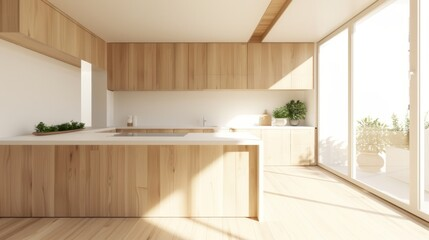
Cabinet refacing is a cost-effective solution for homeowners seeking to update the aesthetic of their existing kitchen or bathroom. The process involves replacing cabinet doors and drawer fronts, while leaving the original cabinet boxes intact. A variety of materials and finishes are available to suit any style preference, from cost-efficient laminates to premium solid woods. Homeowners can also choose to add decorative elements like crown molding and glass panels to enhance the overall look of the room.
While refacing is budget-friendly, it limits design freedom to the existing cabinet structure. Refacing doesn’t allow homeowners to make fundamental layout changes or incorporate modern features, so it may not be a good fit for those who want to completely redesign their space. Additionally, refacing doesn’t address any structural issues that may arise over time.
New cabinets are an investment, but they can deliver higher long-term value than refacing. By addressing layout, storage, and durability concerns, new cabinets from NextDAY Cabinets Chantilly can help homeowners create functional and beautiful spaces that increase the resale value of their homes.
If you’re ready to transform your kitchen or bathroom with custom cabinets, it’s important to consider all the options. Our team of design experts will guide you through the showroom process, utilizing advanced visualization tools to bring your ideas to life. Schedule your appointment today to get started!
Design
Custom cabinetry is measured, designed and built to fit a room, ensuring that it’s an ideal space for storage. This means that you can achieve a layout that’s unique to your home and reflects your design style. Cabinets can also be designed to accommodate appliances, nooks and niches.
In addition to being customized to fit the space, custom cabinets offer a wide range of options in materials, finishes and door styles. This allows homeowners to create a look that’s truly one-of-a-kind and can complement other features like antique built-ins or furniture that you plan to use in the new kitchen.
Cabinet refacing is a detailed process that requires advanced skills and professional tools. For example, the veneering must be applied properly so that it resists peeling and provides a polished finish. A skilled professional will ensure that the entire project is done correctly to reduce costs and unforeseen issues down the road.
Unlike refacing, factory-made custom cabinets use advanced machinery and expert techniques that result in cleaner cuts and tighter tolerances. This enhances durability and enables manufacturers to use low-VOC finishes and responsibly sourced woods. These types of materials are especially important for people who value healthy materials and indoor air quality.
Another advantage of factory-made custom cabinets is that they’re catalyzed, or “baked,” on, which protects them against moisture. This protects the cabinet boxes and helps prevent stains, scratches and other surface damage.
In addition, larger manufacturers are able to offer an expansive catalog of options in terms of hardware, interior features and door styles. This allows them to meet the needs of a broad spectrum of clients, including those who want more design flexibility than what’s available with semi-custom and stock cabinets.
Layout
Cabinet refacing is a cost-effective and eco-friendly alternative to a full renovation, and it can provide a dramatic new look for your kitchen. However, it won’t address layout issues or structural problems, so refacing is best for homeowners who like their current kitchen layout and don’t want to spend thousands on a complete remodel.
Factory-made cabinets typically feature higher quality wood and other materials than homegrown ones, and finishes are catalyzed in large ovens to create a stronger bond that’s less susceptible to chipping or scratching. Additionally, manufacturers have more control over the moisture content of their wood, which can affect how well the material holds up to heat and humidity over time.
Professional cabinet refacing involves applying a laminate veneer to existing cabinet face frames, and often replacing the cabinet doors to match. The process is quicker and less disruptive than a complete replacement, and it’s usually cheaper than custom cabinets. However, refacing won’t address any functional layout problems or fix damaged cabinet boxes, so it’s not a good fit for homes that need more space in the kitchen.
Custom cabinets offer total customization with endless options for color, material, finish, storage solutions, and door styles. On the other hand, stock and semi-custom cabinets have limited design flexibility that might be frustrating for some homeowners. If you’re looking for a high-end look that will perfectly fit your space and reflect your personality, custom cabinets are the way to go.
Durability
Cabinet refacing offers a quick and affordable solution for homeowners who are looking to refresh their cabinets, while preserving the existing cabinet boxes and layout. However, it comes with some limitations. The refacing process can only provide limited design flexibility and may not address any underlying issues with the cabinet boxes, such as structural damage or outdated storage solutions.
The refacing process involves applying thin strips of a material called veneer over the front of the cabinet boxes. They are glued and heated in place to create a permanent bond. This gives the face frame a different look, and it can be customized with new hardware, hinges, or drawer pulls. It’s important to choose high-quality materials, such as laminate or solid wood, for lasting durability.
Refacing can only be done if the current cabinet boxes are in good condition. If the box is damaged or if you want to change the cabinet layout, you will have to replace them with new cabinets instead.
New cabinets are a superior choice for those looking to improve their kitchen’s aesthetics and functionality, especially in terms of durability. Compared to refacing, new cabinet replacements offer greater design flexibility and higher-quality materials that can withstand years of use. Additionally, they can be designed to incorporate a variety of modern cabinet features, including soft-close hinges and pull-out organizers. New cabinet replacements from NextDAY Cabinets Chantilly are also made with superior construction techniques, ensuring that they will last longer than refaced cabinets. As a result, they offer better long-term value and can significantly increase your home’s resale value. For more information, contact our team of cabinet experts. We would be happy to answer your questions and help you choose the best option for your renovation project.
Expert Advice
Cabinets play a critical role in your home’s overall appearance and resale value, but it’s not always easy to determine whether refacing or replacing cabinets is the best investment for your specific goals. Choosing the right option depends on your budget and timeline, as well as the condition of your existing kitchen or bathroom.
Cabinet refacing is an affordable option that allows you to update your aesthetic without compromising the integrity of your cabinet boxes. This method of remodeling involves replacing the cabinet doors and drawer fronts with new materials, such as wood veneers or thermofoils, while retaining the existing cabinet boxes. Refacing is ideal for homeowners who are satisfied with their current layout and only want a visual refresh. However, this process doesn’t fix structural issues, and it may be less durable than full replacement.
Professionals are essential for cabinet refacing projects, as they can ensure the process is completed quickly and accurately. Refacing doors requires removing the old finishes, filling holes, and sanding before applying the new veneer or laminate. Professionals have the tools and experience to ensure a flawless finish, lasting durability, and a polished look.
While refacing will help to modernize your space, investing in upscale accents like crown molding and light valances can elevate your design to an even higher level. The addition of layered lighting, like under-cabinet lights and recessed ceiling lighting, also plays an important role in creating a luxurious aesthetic. Professionals can recommend the best lighting styles and placement to showcase the quality of your cabinetry and enhance the beauty of your home. They can also assist with selecting the best hardware, such as polished chrome handles, that will compliment your new cabinetry and accentuate your style.